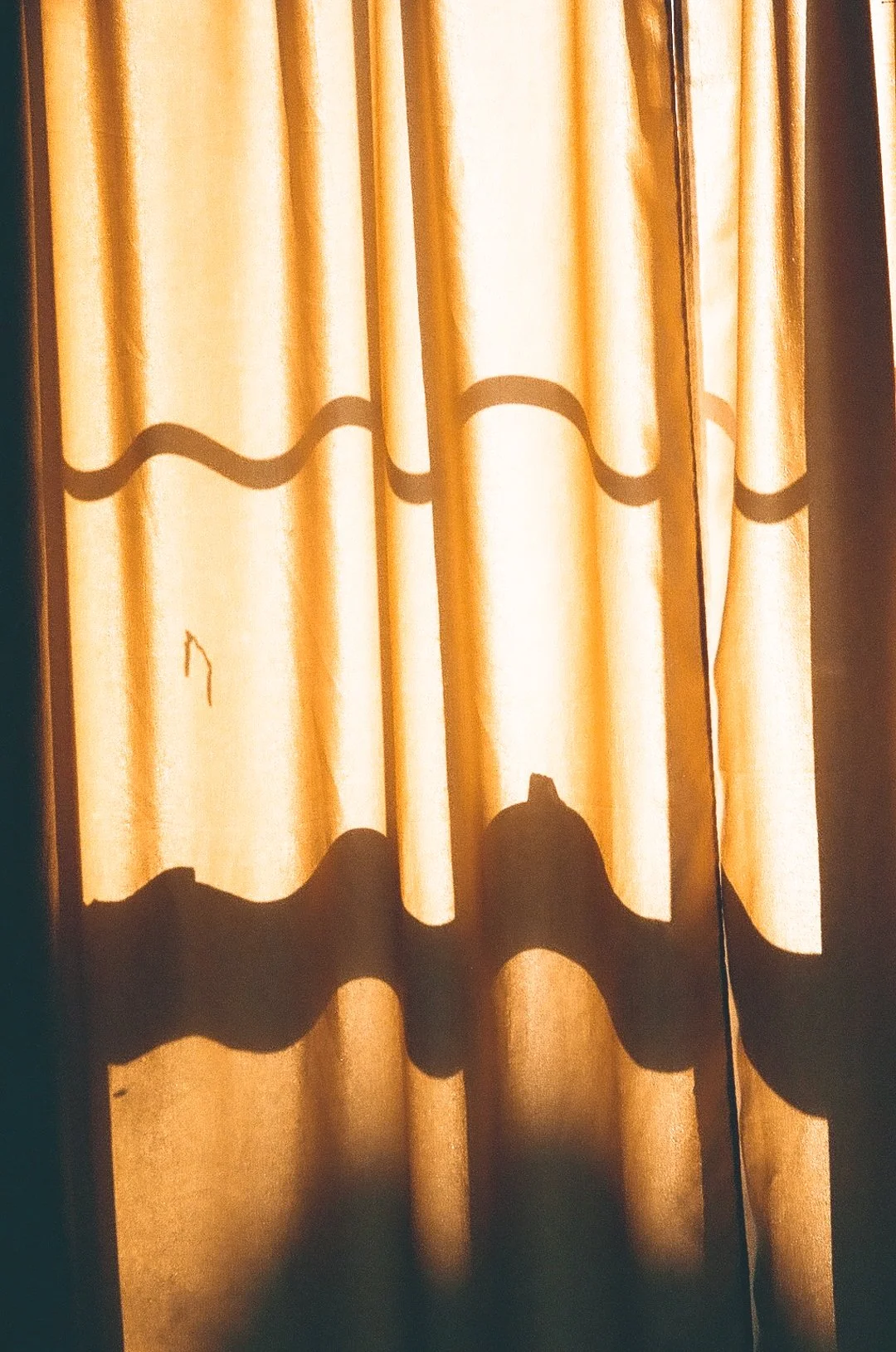
Project 36
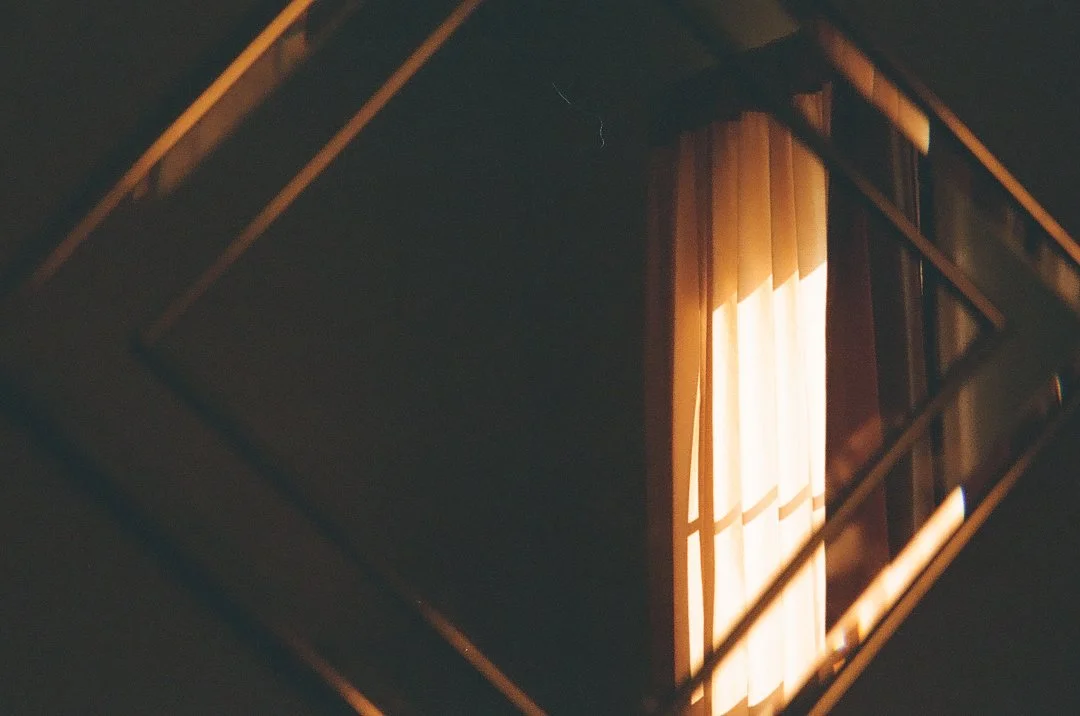
“Project 36” was an exploration of my inner dialogue—a grounding practice that brought me back to the quiet presence of my immediate self. It became an invitation to step inside the story I had written in my own mind, notice the boundaries I had drawn, and ask how I was moving within them. In looking inward, I began to see not only the world I had created, but the ways I learned to live inside it.
I grabbed my point-and-shoot camera, loaded it with 36 shots, and gave myself one rule: one photograph every day, no matter what.
The rule was simple, but it asked me to step outside the rhythm of my daily routine—to redirect my thoughts, my energy, and my attention toward something new. At first, I photographed what was closest to me: my immediate surroundings, the easy images, things that required little effort to notice. But eventually, I began to question them. Is this worth photographing? Am I being lazy? Am I making this image because I’m drawn to it, or because it’s comfortable and familiar?
The answer was often yes.
So I changed gears.
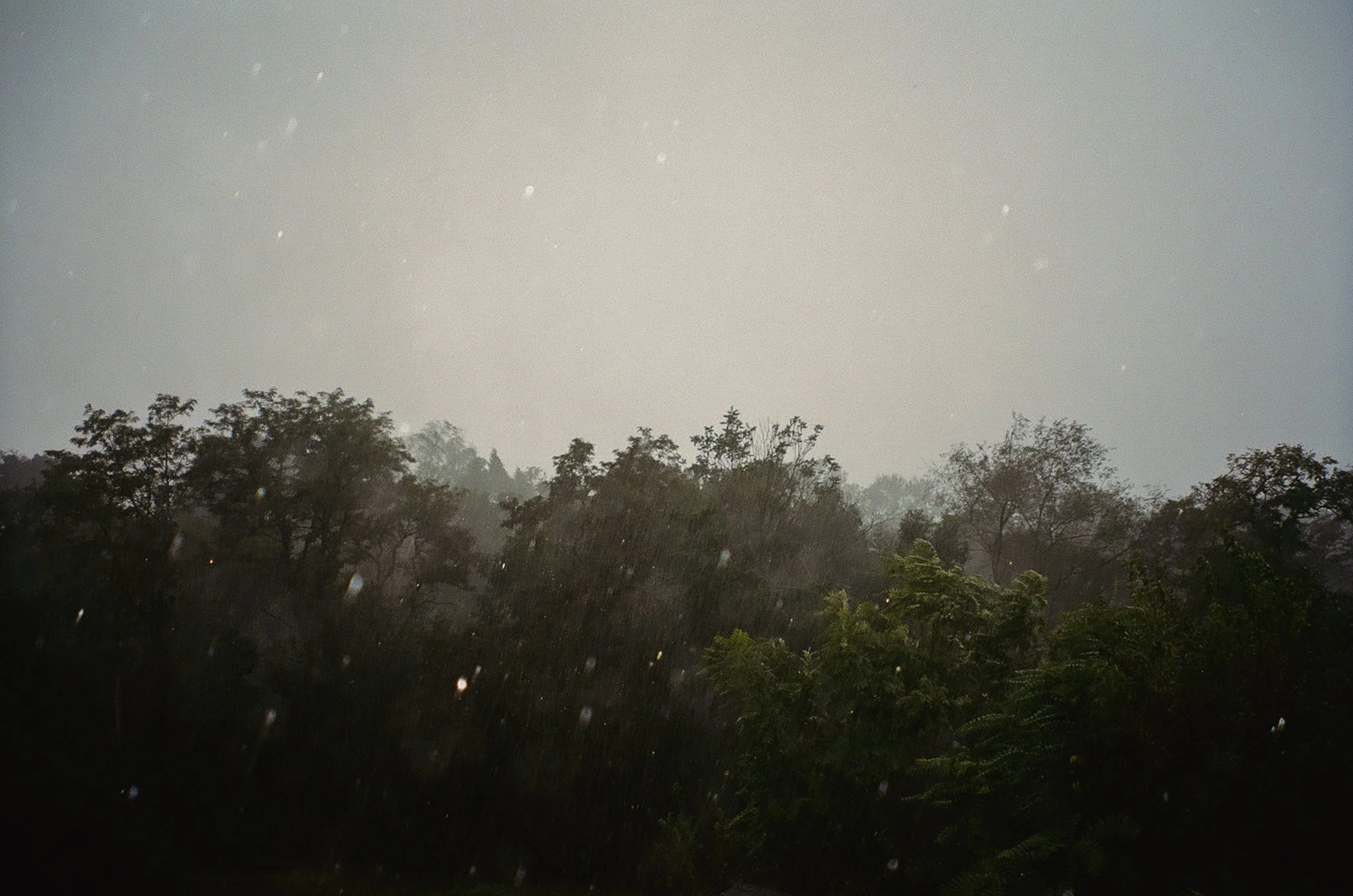
I began watching more closely. I watched the way light moved across different compositions throughout my day—the reflections caught in windows and buildings, warm light falling across dirty puddles in vast, vacant parking lots. I drove down roads with no particular destination, letting the landscape interrupt my thoughts. I slowed down. I looked longer. I wandered.
And somewhere between familiar and unknown, the act of photographing became less about finding something to photograph and more about learning how to see.
One morning, i fumbled with the camera, misfired the shutter. My one shot for the day was gone. I sat with it for a moment, then picked up the camera and shot again. It was my rule—one photograph a day—and I decided to break it.
Neither photograph amounted to much, by the way. lol.
But that almost didn’t matter.
In that moment, I realized the structure I had created for myself was no longer serving me. The rule was meant to ground me, push me beyond the familiar, make me pay attention. But somewhere along the way, the rule itself had become another boundary. So I crossed it. Not because the scene was really better, or because I needed another image, but because I needed to remind myself that I was the one who made the rules in the first place.
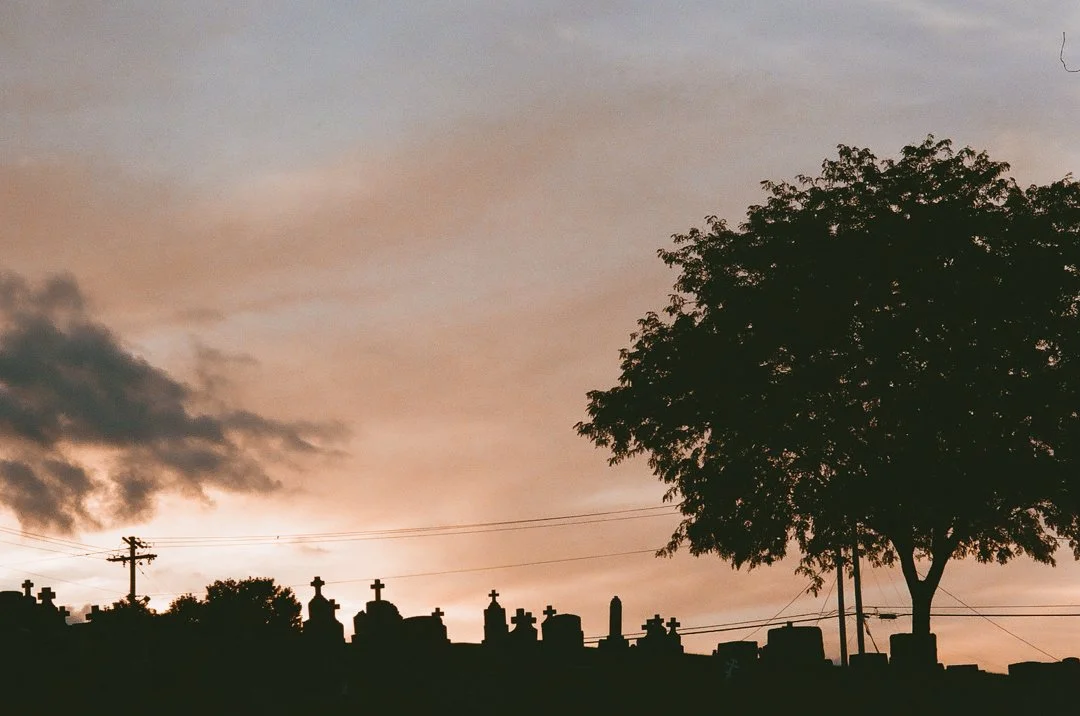
Another evening, I walked the rows of headstones. Almost immediately, I felt a composition: headstones in the distance, shadowed and reaching toward the sky, dwarfed by the branches of a massive tree. I hesitated.
I walked a little further and photographed a monumental stone angel—the obvious choice. The image was right there, waiting for me. Easy. Familiar.
But as I meandered back toward my original spot, I knew, just like the morning before, that I had made a mistake. I raised the camera and fired the shutter a second time. This time, I got what I wanted. Maybe the photograph was never really the point. It was the moment of recognizing that first instinct, walking away from it, and then having to find my way back.
One night, I shot nothing at all. I was too tired from a full day, completely emptied of energy. I passed out with an extra shutter count waiting for me, untouched.
Another night, I pointed the camera toward the sky. No composition. No real plan. Just darkness, stars, and a little hope. I pressed the shutter. Click. And sometimes, that was enough.
Over time, the repetition became a daily check-in-a reminder not only to challenge myself within Project 36, but to question the systems I had built within my own life. To pause. To take stock. To notice when the structures I created were helping me and when they were holding me in place.
The project began with one simple rule: one photograph a day.
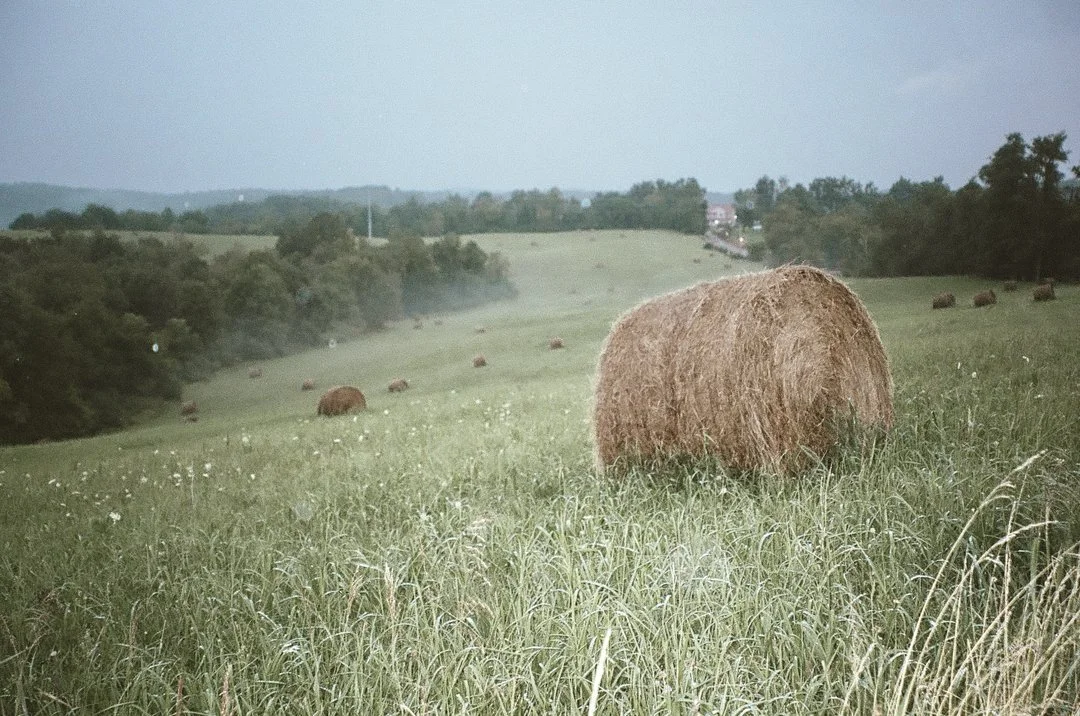
But eventually, that rule became something larger. Just as I could make one photograph each day, I could make one small action in my own life each day. Something intentional. Something outside the familiar. Something that might move me, however slightly, toward the person and the world I wanted to create.
By “a better world,” I don't mean some distant or perfect version of the future. I mean the world immediately within my reach—the way I treat people, the choices I make, the attention I give, the habits I reinforce, and the willingness to question what I have simply accepted as normal.
One photograph. One small action.
A daily practice of looking closer, questioning what I see, and choosing what I might do differently.
Three shots remained on my roll. I confidently shot blanks, letting the final frames fall away without needing them to become anything.
For once, there was nothing left to search for, nothing left to prove.
I let my inner world settle.
I was home.